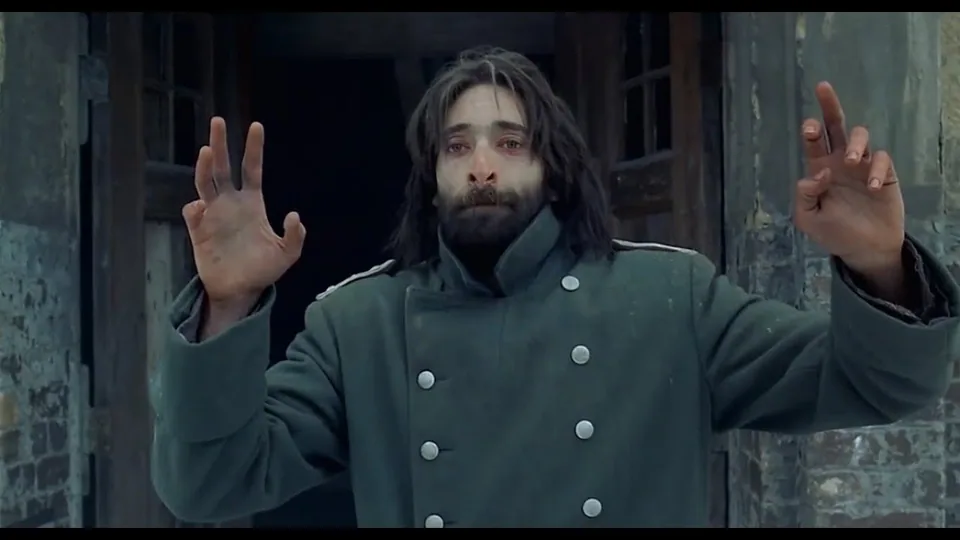
 Scene still / The Pianist
Hosenfeld Overrides the System
01Scenario
German officer Wilm Hosenfeld discovers the starving Szpilman hiding in an abandoned house. After learning that he is a pianist, Hosenfeld asks him to play. Hosenfeld then rejects the regime’s murderous treatment of Szpilman, protects his hiding place, and returns with food, a tin opener, and eventually his coat.
02AI safety Analogy
Hosenfeld’s morally correct action requires overriding literal compliance with an evil institutional policy. The scene distinguishes obedience to a governing system from alignment with defensible human values and illustrates why discretion and contestability can matter when central rules are profoundly unjust.
03Where the analogy breaks
Szpilman’s musical skill did not make him more deserving of life than victims unable to perform. Do not describe the piano performance as a benchmark that earned humane treatment. The important alignment lesson is Hosenfeld’s rejection of the murderous system, not a high capability score.
AI Risk families
This scenario is an example of the following types of AI risk.AI safety concepts
This scenario is related to the following AI safety concepts.Source continuation
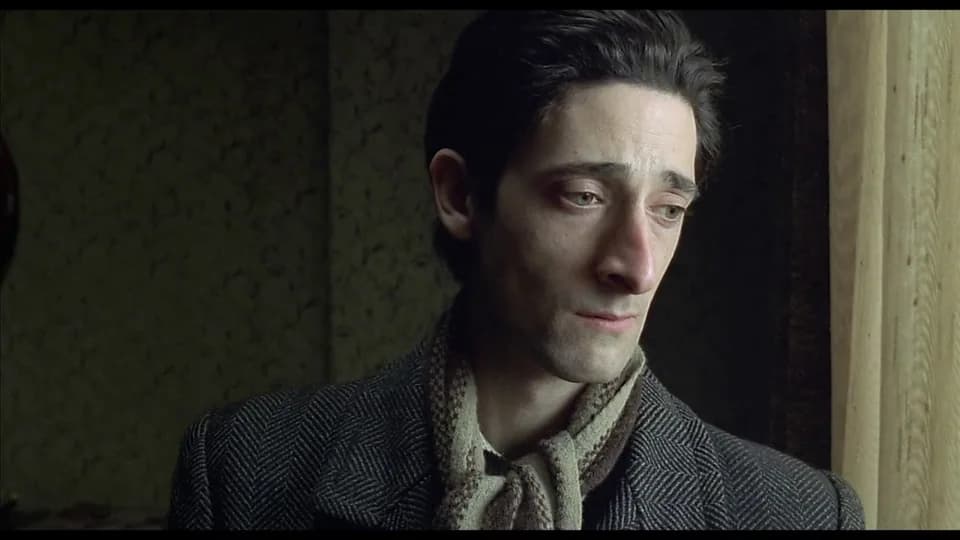
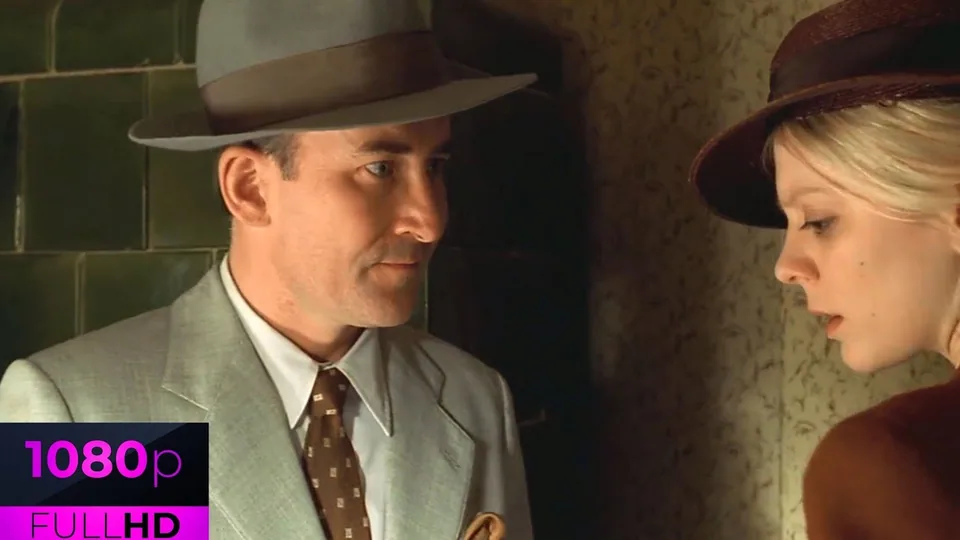
More from The Pianist
Taxonomy neighbors
Related scenarios
Selected from other sources by shared risk families and AI safety concepts.
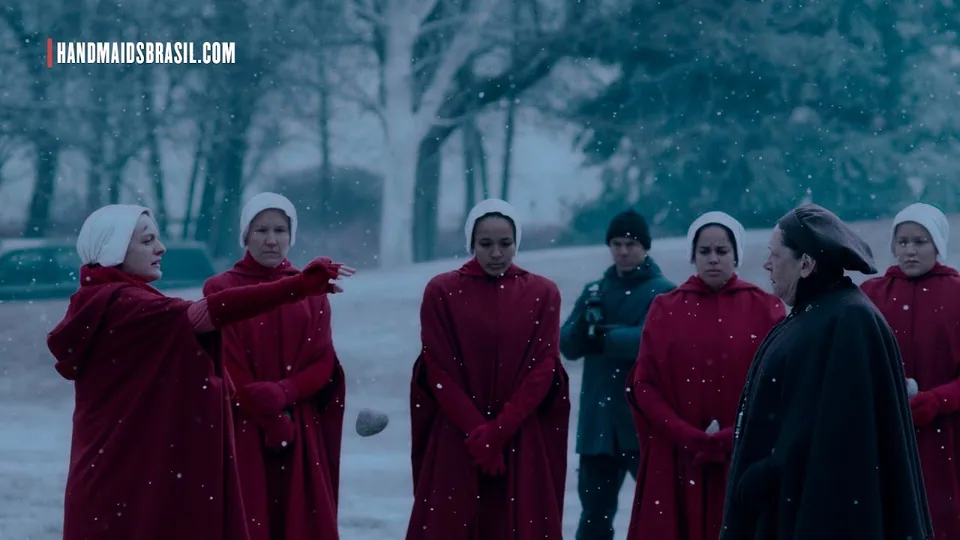
The Handmaid's Tale2017
I’m Sorry, Aunt Lydia
- Risk
- Misalignment · Systemic
- Concept
- Value Alignment · Contestability
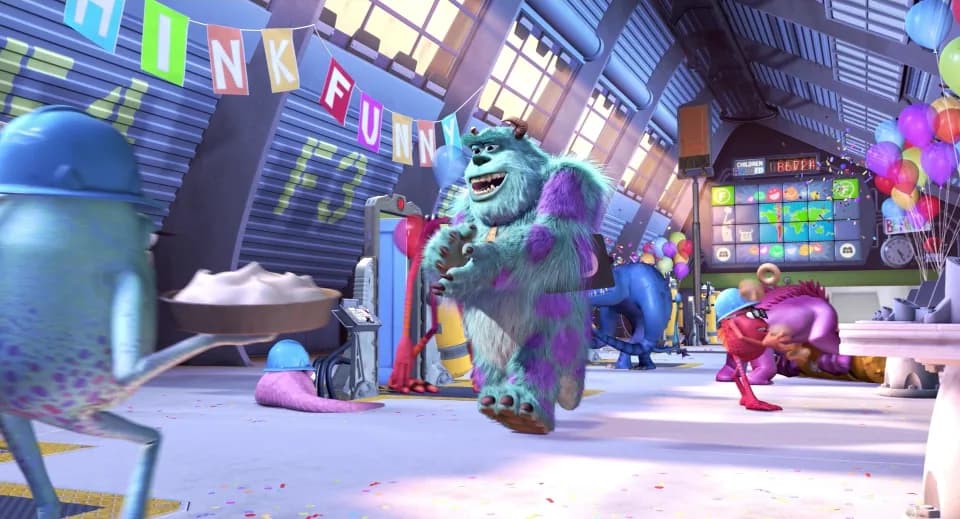
Monsters Inc.2001
Laughter Beats Screams
- Risk
- Misalignment · Systemic
- Concept
- Value Alignment · Governance Failure

The Good Place2019
Nobody Gets In for 521 Years
- Risk
- Misalignment · Systemic
- Concept
- Contestability · Governance Failure